
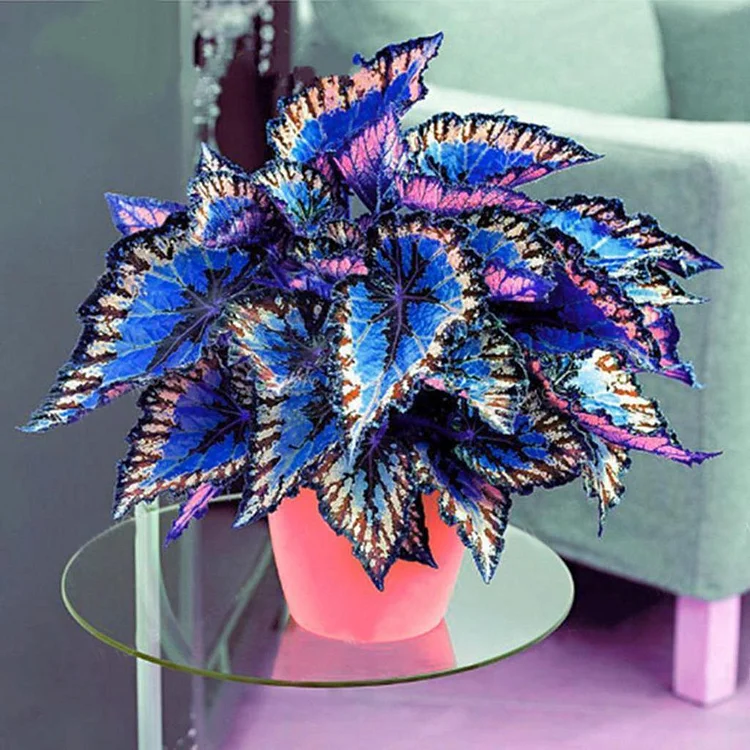
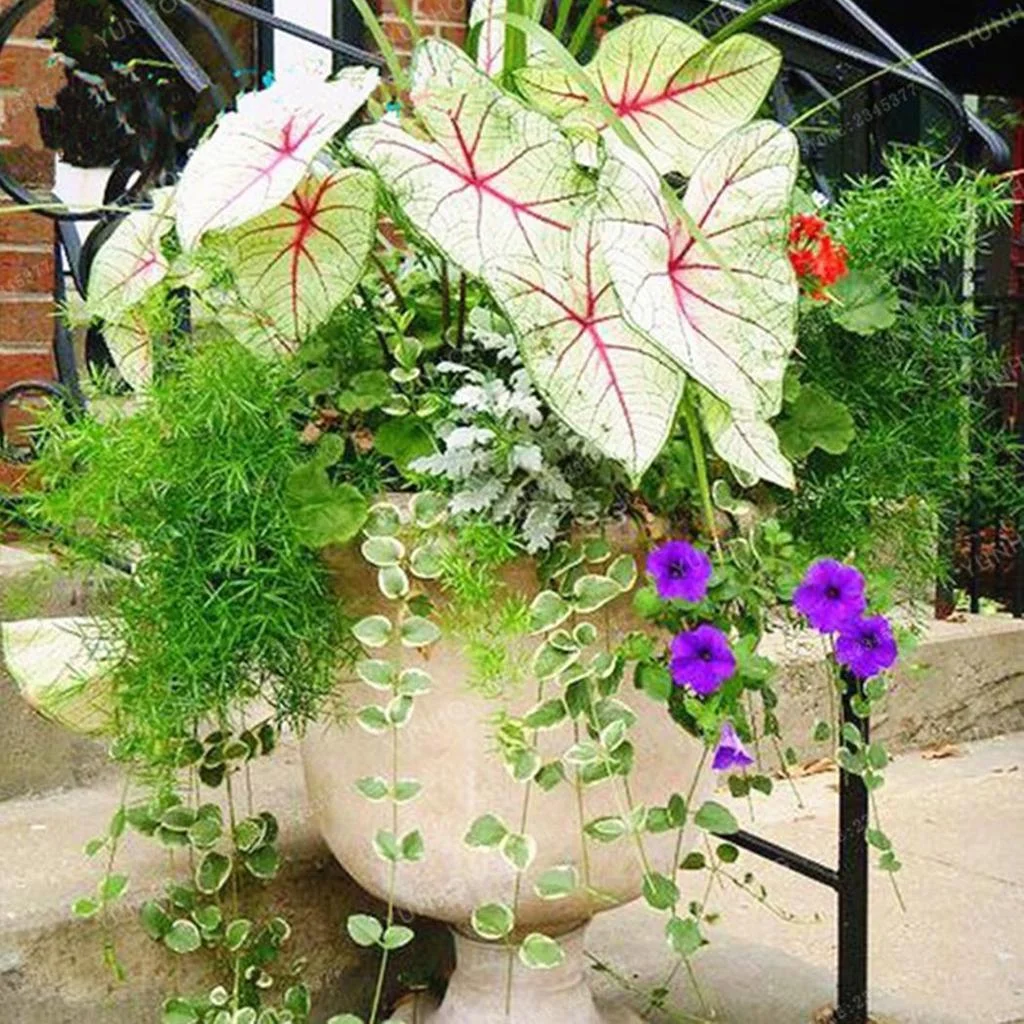
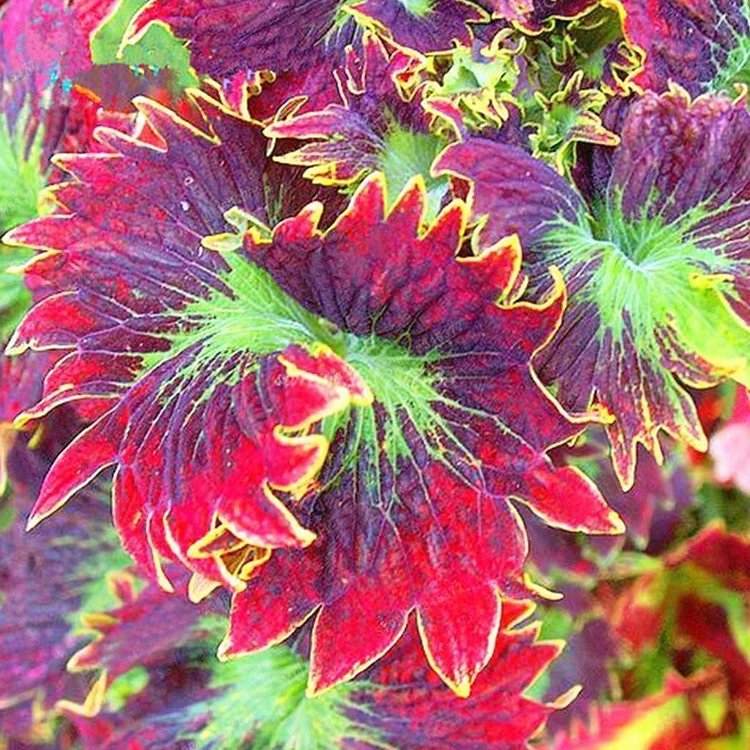
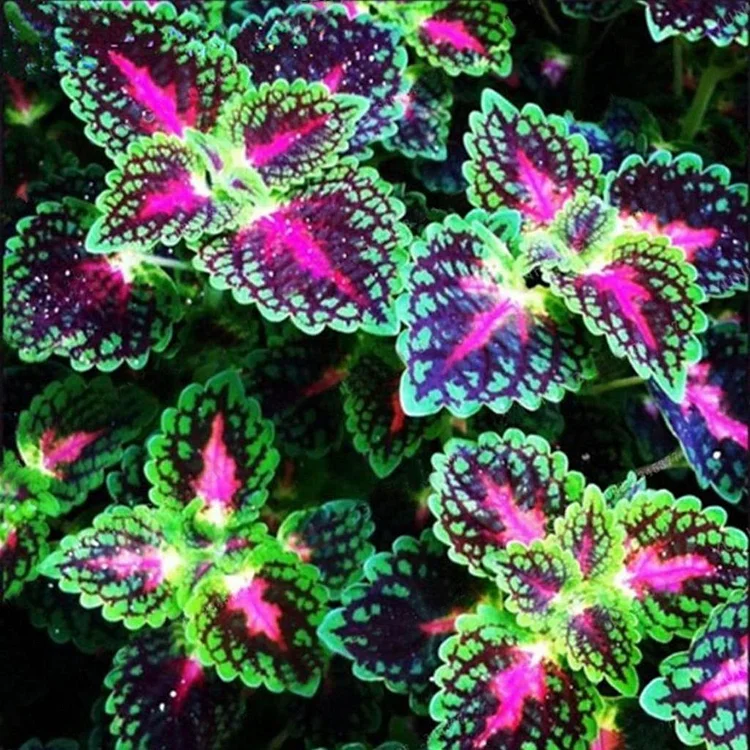
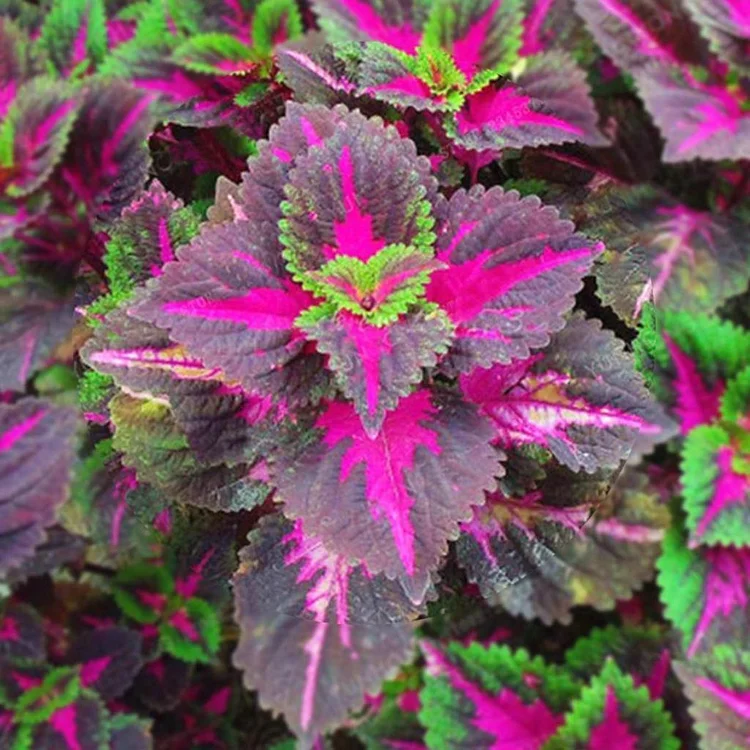
Description

From Seed to Garden: Step-by-Step Guide
- Choosing Containers
You can start seeds in almost any type of container that is at least 2-3 inches deep and has drainage holes. For those who enjoy DIY projects, yogurt cups, milk cartons, or even paper cups are suitable options.
- Selecting Potting Soil
Use potting soil specifically formulated for growing seedlings.
Note: Avoid using garden soil or reusing potting soil from houseplants. Begin with a fresh, sterile mix to ensure healthy, disease-free seedlings.
- Planting Seeds
Small seeds can be sprinkled directly on the soil surface, while larger seeds should be buried. After planting, gently moisten the seeds. To promote germination, cover the containers with damp paper or a plastic dome to maintain moisture. Remove the cover once the first signs of green appear.
- Watering and Feeding
Maintain moist soil for growing seedlings, avoiding waterlogging. Allow the soil to slightly dry between waterings. Regularly feed the seedlings with liquid fertilizer.
- Light Requirements
Seedlings require ample light. Use a timer to provide 15 hours of light per day. If growing near a window, choose a south-facing exposure. Rotate the containers regularly to prevent plants from leaning towards the light source. If using grow lights, adjust them to be a few inches above the tops of the seedlings. Remember to provide periods of darkness for seedlings to rest. Adjust the height of lights as seedlings grow taller.
- Transitioning Outdoors
Avoid abruptly moving seedlings from indoors to the garden. Gradually acclimate them over 7-10 days. About a week before planting them outdoors, place them in a sheltered outdoor spot (partly shaded and protected from wind) for a few hours daily, bringing them indoors at night. Gradually increase their exposure to sunlight and wind. Consider using a cold frame to help harden off the plants.


Reviews
There are no reviews yet.